

By Debbie Sagorin, REALTOR® - Coldwell Banker Realty, Newport Beach
California DRE License #01411020 - ABR(R) - CNE - e-PRO(R) - Smart Home Certified - RealTrends Verified (2026) - 22+ years in Orange County real estate - 400+ closed transactions (250+ in Irvine) - Top 1% of Irvine listing agents, 10th of 1,792 - 9,237th in the US by sales volume, RealTrends Verified 2026 - 12-time Five Star Real Estate Agent Award - a 4.9 rating from 293 verified client reviews on Zillow - Reviewed 250+ Irvine HOA document packages in escrow
Published May 7, 2025 - Reviewed and expanded June 14, 2026
Quick Answer: HOA dues vs special assessments in Irvine
Regular HOA assessments are the recurring dues (monthly, quarterly, or annual) that fund the community's normal operating budget - amenities, landscaping, common-area maintenance, reserves. In escrow they are prorated between buyer and seller at the closing date. Special assessments are extra, one-time (or short-term) charges that the HOA board levies on top of regular dues to cover large unexpected costs like roof replacements, plumbing failures, lawsuits, or reserve shortfalls. They are NOT automatically prorated in escrow. In most Irvine HOAs, the seller must pay any pending or approved special assessments in full at closing unless the buyer agrees in writing to assume them. Always demand the current HOA statement, the latest reserve study, and the last 12 months of board meeting minutes during your due diligence.
Many Irvine neighborhoods carry not just one HOA but two layered assessments (a master association plus a sub HOA), and some also overlay Mello-Roos community facilities district taxes. Confusing these line items, or worse, ignoring a pending special assessment during escrow, can cost an Irvine buyer thousands of dollars in the first year of ownership. This guide explains what each charge is, how Irvine HOAs structure dues across villages like Woodbridge, Portola Springs, and Turtle Rock, the special assessment scenarios that show up most often in Orange County escrows, and a complete due diligence checklist every buyer and seller should follow before signing.
When buying or selling a home in Irvine or throughout Orange County, homeowners association (HOA) fees are often part of the conversation. But not all HOA charges are created equal, and understanding the difference between regular HOA assessments and special assessments is key to a smooth closing.
What Are Regular HOA Assessments?
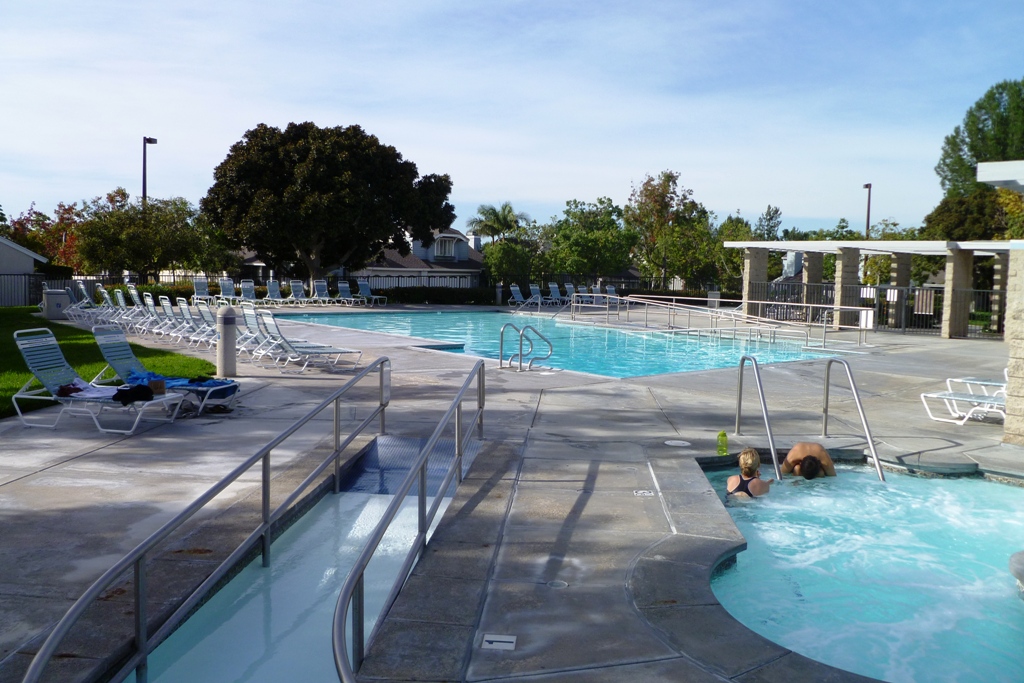
These are the recurring dues paid monthly, quarterly, semi-annually, or annually that help maintain community amenities-like pools, greenbelts, clubhouses, and landscaping. During escrow, these fees are typically prorated between buyer and seller based on the closing date. They'll appear clearly on the final closing statement.
What Are Special Assessments?

Special assessments are extra charges levied by the HOA for unexpected or major expenses-think roof replacements, plumbing upgrades, or lawsuits. These are not automatically prorated like regular dues. In fact, many HOAs require that the seller pays any outstanding special assessments in full before closing-unless the buyer agrees in writing to assume them.
What Buyers & Sellers Should Know
Buyers: Always ask whether there are any pending or recently approved special assessments.
Sellers: Be prepared to cover these charges unless your buyer agrees otherwise ... in writing. Escrow will only reflect and prorate regular dues, not special assessments unless expressly allowed.

Need Help Navigating HOA Fees in Irvine?
As an Irvine Realtor with decades of experience, I help clients understand every detail of their transaction, including those hidden HOA surprises.
Reach out if you'd like a personalized home valuation or help navigating the local market.
You can get TWO instant valuation estimates from two different sources here.
Typical HOA Cost Ranges in Irvine by Village
HOA dues in Irvine vary widely by village, home type (single family vs condo or townhome), and whether a sub HOA applies. Below are the typical monthly ranges seen across recent Irvine listings. These ranges are illustrative, not quotes - always request current HOA statements for the specific property you are evaluating.
| Village | Home Type | Typical Monthly HOA | Mello-Roos |
|---|---|---|---|
| Woodbridge | Single family | Master only - moderate | None |
| Woodbridge | Condo / Townhome | Master + sub HOA (typically higher combined) | None |
| Turtle Rock | Single family | Master only - low to moderate | None (older areas) |
| Portola Springs | Single family | Master + sub HOA (newer construction) | Yes - significant |
| Northwood | Single family | Master only - moderate | Varies by tract |
| Westpark | Mixed | Master + sub HOA on attached homes | Varies |
| Great Park / Cadence Park | Newer construction | Master + sub HOA (often elevated for newer amenities) | Yes - significant |
Two takeaways for buyers: first, an attached home (condo or townhome) almost always carries BOTH a master HOA assessment AND a sub HOA assessment. Many out-of-area buyers see only the master line item in MLS and underestimate their true monthly carrying cost by hundreds of dollars. Second, Mello-Roos taxes are separate from HOA assessments - they appear on the property tax bill, not the HOA statement, but a careful buyer must add Mello-Roos, master HOA, and any sub HOA together to understand the real monthly cost of ownership.
The Layered HOA Structure - Why Woodbridge Owners Often Pay Two HOAs
Several Irvine villages use a two-tier HOA structure. The most common example is Woodbridge:
- Master HOA (Woodbridge Village Association, WVA) - Funds the lakes, community pools, parks, paths, courts, and shared facilities. Every Woodbridge owner (single family, condo, townhome) pays this assessment.
- Sub HOA - For condos and townhomes, the sub association is responsible for building exteriors (roof, siding, paint), exterior pest control, common-area landscaping inside the tract, and sometimes earthquake or fire insurance for the structure. Single family homes in Woodbridge typically do NOT have a sub HOA, so they only pay the master.
Other villages with master-plus-sub HOA structures include Westpark, Portola Springs, Great Park, Stonegate, and Cypress Village. Within Northwood, the Northwood Pointe subdivision also carries a sub HOA on top of the master. The exact responsibilities of each tier vary by community, which is why reviewing both the master CC&Rs and the sub HOA CC&Rs is essential during escrow.
Some Irvine Subdivisions Have No HOA At All
It is a common misconception that every Irvine home carries an HOA. While most villages do, individual subdivisions within a village can sit outside the master HOA boundary and have no HOA dues whatsoever. The clearest example is the Tennis Club subdivision in the Northwood village - these single-family homes have no HOA assessments at all. Other older pockets of Northwood and University Park have similar no-HOA tracts. For buyers focused on minimizing monthly carrying costs, a no-HOA Irvine subdivision is worth seeking out, but be aware that with no HOA there is no shared reserve fund for community amenities or future major repairs - those costs fall directly on the homeowner.
Three Special Assessment Scenarios Irvine Buyers Encounter Most Often
Special assessments are most common in attached-home communities (condos, townhomes) because the HOA owns and maintains structural building components. After 22+ years of Irvine transactions, these are the patterns I see most often:
- Roof and siding replacement on aging tracts. Many Woodbridge, Northwood, and University Park condo and townhome tracts were built in the late 1970s and 1980s. As roofs and siding reach end of life, HOA boards approve large special assessments to replace them building-by-building. These can range from several thousand to over $20,000 per unit depending on scope.
- Plumbing or slab leak remediation. Older Irvine attached communities sometimes face galvanized or polybutylene plumbing failures that require whole-tract repipes. These assessments often hit harder because they are urgent and the board cannot defer them.
- Reserve shortfalls discovered during a reserve study. California law requires HOAs to perform reserve studies (typically every three years). When a study reveals the reserve fund is severely underfunded relative to upcoming major repairs, the board may approve a one-time or multi-year special assessment to catch up. The reserve study is one of the most important documents to read during your due diligence.
HOA Due Diligence Checklist for Irvine Buyers
During your contingency period, request and review all of the following from the HOA management company (the seller's escrow officer typically orders these on your behalf):
- Current HOA financial statements - Confirm there is no delinquency on the property and verify the actual current monthly assessment.
- Reserve study (latest) - Look for the funded percentage and the list of upcoming major repairs.
- Board meeting minutes (last 12 months) - This is where pending special assessments are discussed BEFORE they are formally levied. Reading minutes is the single best way to spot a special assessment that has not yet been approved but is being actively planned.
- CC&Rs and bylaws - For both master AND sub HOA if applicable.
- Architectural rules - Important if you plan exterior modifications, solar, or landscape changes.
- Insurance summary - Confirms what the master policy covers and what your HO-6 condo policy must cover.
- Pending litigation disclosures - Lawsuits can drive special assessments. California Civil Code Sec. 4525 requires disclosure.
- Special assessment history (last 5 years) - Pattern can predict future assessments.
If the seller cannot produce these documents within your contingency window, that is itself a red flag. A well-run HOA delivers a complete escrow package quickly.
What Sellers Should Do Before Listing
If you are selling an Irvine home and you know a special assessment was recently approved or is being discussed by the board, the cleanest path is full and early disclosure. California Civil Code requires disclosure of known pending and approved assessments. Trying to push the assessment onto the buyer through silence almost always backfires - escrow companies pull HOA documents independently, and your liability for non-disclosure persists well past closing. The smarter strategy is to either pay off the assessment before listing, build the assessment into your pricing, or negotiate it openly with the buyer.
Frequently Asked Questions About Irvine HOA Assessments
1. In a typical Irvine escrow, how do regular HOA dues and special assessments get handled differently?
Practically, regular dues flow through closing automatically. The escrow officer pulls the current monthly amount from the HOA, calculates a daily proration based on the closing date, and credits or debits each side on the final settlement statement. The buyer steps into the assessment on the day of closing and the seller is reimbursed (or charged) for any partial month. Special assessments are different. They do NOT proration automatically. If the HOA board has approved or is actively considering an extra charge, escrow flags it but the contract language controls who pays. The default in most Irvine purchase contracts is seller pays at closing, but this can be renegotiated as long as the change is in writing. Verbal side agreements about a special assessment do not survive closing - if it is not in the contract or the escrow instructions, it does not happen.
2. How much are HOA fees in Irvine?
HOA dues in Irvine vary substantially by village, home type, and whether a sub HOA applies. Single family homes in master-planned villages typically pay only the master HOA assessment, which can be moderate. Condos and townhomes almost always pay BOTH the master AND a sub HOA, often resulting in noticeably higher combined monthly costs. Newer construction villages like Portola Springs, Great Park, and Cadence Park typically also include Mello-Roos community facilities district taxes on top of HOA dues. Always request current statements for the specific property.
3. Who pays a special assessment in an Irvine home sale, buyer or seller?
In most California HOA documents, the seller is responsible for paying any approved or pending special assessment in full at closing. However, this is negotiable, and it is increasingly common for buyers and sellers to agree to share or transfer the assessment in writing as part of the purchase contract. The key requirement: any deviation from the default (seller pays) must be explicit, in writing, and clearly stated in the escrow instructions. Verbal understandings will not hold up at the closing table.
4. Can a buyer refuse to close because of a special assessment discovered during escrow?
If a special assessment is disclosed before the buyer's HOA document review contingency expires, the buyer typically has the right to cancel or renegotiate without penalty. After the contingency is released, the buyer's options narrow. This is why reviewing the full HOA package - financials, reserve study, and especially the last 12 months of board meeting minutes - within your contingency window is critical. Pending special assessments are often discussed in minutes well before they are formally approved.
5. Do all Irvine HOAs have a reserve study, and why does it matter?
Yes. California law requires HOAs to commission a reserve study (typically updated every three years) that estimates the cost and timing of major future repairs and the current funded percentage of the reserve account. A reserve study that shows a low funded percentage (for example, under 30 percent) combined with major upcoming repairs is a red flag that future special assessments are likely. Buyers should always read the most recent reserve study before releasing contingencies, and sellers should be ready to explain low funding levels to prospective buyers.
Related Reading For Irvine Buyers and Sellers
- Woodbridge Irvine Homebuyer Guide - HOA, Schools, Lakes
- Woodbridge vs Turtle Rock vs Portola Springs - Which Irvine Neighborhood Is Best?
- Mastering the Escrow Process - Your Essential Guide to Irvine Real Estate Transactions
- The Limits of Zestimates - Why You Should Rely on an Irvine Expert
- Best Listing Agent for Woodbridge, Irvine 2026
- Irvine Real Estate Market Update - June 2026